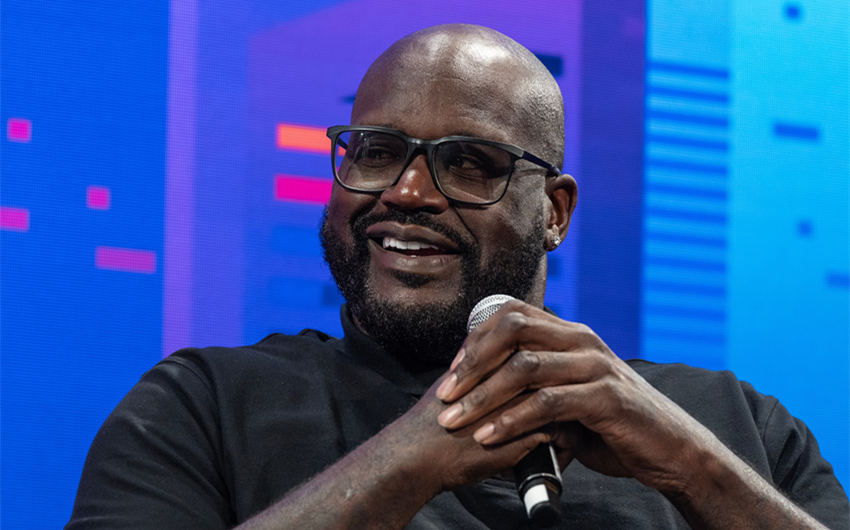
Shaquille O’Neal Net Worth: Estimated Fortune and How He Built It
Shaquille O’Neal’s net worth gets talked about like a myth—because the numbers sound unreal until you look at how many income streams he’s stacked over three decades. He didn’t just earn like a superstar during his NBA prime. He kept building after retirement, turning fame into a business portfolio that looks more like a company than a single celebrity career.
Who Is Shaquille O’Neal?
Shaquille O’Neal is a Hall of Fame former NBA center, four-time NBA champion, and one of the most dominant players the league has ever seen. After retiring, he became a long-running television analyst on Inside the NBA, a high-volume pitchman for major brands, and an entrepreneur with investments and franchise ownership across food, retail, and consumer products. He’s also stayed visible through entertainment projects, public speaking, and even DJ work—meaning his earnings didn’t stop when his playing days ended.
Estimated Net Worth
Estimated net worth: about $500 million.
This estimate is widely repeated across major celebrity finance trackers and sports-business coverage. It’s best treated as a strong approximation rather than a perfectly verified number, because the most valuable parts of Shaq’s wealth—private investments, equity stakes, and real estate—don’t come with public, real-time price tags. But the estimate makes sense when you consider the scale of his career earnings, the size of his media contracts, and how aggressively he’s pursued off-court business.
Net Worth Breakdown: Where Shaq’s Money Comes From
1) NBA salary: the foundation that gave him leverage
Shaq’s playing career created the base. Over 19 NBA seasons, he earned roughly $286 million in salary alone, according to widely cited salary databases. That number matters for two reasons. First, it gave him immediate wealth while he was playing. Second, it gave him something even more valuable long-term: freedom to choose opportunities based on upside rather than quick cash.
Many athletes are forced to chase the next paycheck. Shaq could afford to think bigger—especially once endorsements and media income started to rival his on-court pay. That early financial stability is a big reason he was able to take equity positions, invest patiently, and build a business identity that outlived his athletic prime.
2) Endorsements: the engine that scales beyond sports
Shaq has been a marketing machine for years, and endorsements are often described as the true growth engine behind his fortune. The big difference between endorsement income and NBA salary is margin. Playing money comes with intense physical cost and a limited window. Endorsement income can continue indefinitely, and it often expands as fame increases.
Shaq’s approach has been to stay everywhere: insurance, electronics, food, health products, and more. Even if individual deals vary in size, the combined effect is powerful—especially when you’re consistently working with multiple brands at the same time. Some recent business features have even claimed his annual off-court income has reached levels that dwarf what he made during his peak playing years, largely because of endorsements combined with investments.
Endorsements also create a “flywheel” effect: brand work keeps you visible, visibility raises your asking price, and a higher asking price attracts bigger partners. Shaq has been running that flywheel for a long time.
3) TV and media salary: paid to be Shaq, year after year
Media is another major pillar. Shaq has been a core personality on Inside the NBA since the early 2010s, and reported contract details suggest he’s in the top tier of sports TV earners. Sports-business reporting has pegged his long-term TNT deal at over $15 million per year.
That kind of salary is significant because it’s stable and repeatable. NBA contracts end. A media career can stretch for decades, and it can keep paying long after the athlete’s playing brand might otherwise fade. It also boosts the value of everything else—endorsement rates, speaking fees, and business credibility—because he remains in the weekly sports conversation.
4) Franchise ownership and food-business equity
Shaq’s business reputation isn’t just “celebrity investor” talk. He’s been tied to franchise ownership and restaurant partnerships for years. One of the most documented examples is his relationship with Papa John’s, where he joined the company’s board and became a franchise owner and brand partner. Corporate communications around that partnership highlighted his history as an investor and franchise owner, including prior ownership of multiple Five Guys locations and other food-related ventures.
What makes franchise ownership attractive is that it turns celebrity into infrastructure. Instead of earning only when you do a commercial, you earn from stores that operate every day. It’s not effortless—franchises require management and can have thin margins—but when scaled or partnered well, they can produce meaningful long-term income and asset value.
He’s also connected to his own fast-casual concept, Big Chicken, which has been profiled as part of his post-NBA business expansion. Whether you view these moves as passion projects or calculated strategy, the financial logic is clear: food brands can scale, and Shaq’s name helps them scale faster.
5) Investments: the hidden layer behind the headline number
For net worth, investments are usually where the real difference is made. Two people can earn the same salary and end up wildly different depending on how they invest. Much of Shaq’s portfolio is private, but business profiles frequently describe him as unusually active in consumer and tech-style investing compared with many retired athletes.
The key point isn’t whether every investment was perfect—it’s that he played the long game. If even a portion of his investments delivered outsized returns, that alone can explain how a player who earned hundreds of millions in salary ends up with a net worth estimate around half a billion.
6) Real estate, lifestyle costs, and why net worth is never “clean”
It’s easy to imagine net worth as pure profit, but the reality is messy. High earners also carry high expenses: business overhead, advisors, taxes, staff, travel, and the cost of maintaining a public-facing life. Shaq has openly joked about spending habits, and coverage of his lifestyle often highlights how much he can spend without it seriously denting his overall wealth. Still, lifestyle costs are real, and they’re part of why net worth is always an estimate rather than a precise public total.
There are also occasional financial hits that remind you even billion-adjacent celebrities aren’t immune to risk. For example, Shaq agreed to pay $1.8 million to settle a class action lawsuit related to FTX endorsements, according to the Associated Press. In the context of a $500 million estimate, it’s not a life-altering number—but it’s the kind of real-world expense that never shows up when people casually throw net worth figures around.