Fred Gwynne Net Worth: Estimate, Career Summary, and Income Breakdown
If you’re trying to pin down Fred Gwynne’s net worth, you’ll quickly run into a common celebrity-finance problem: there’s no official public ledger. Still, the most frequently cited estimate from major net-worth trackers places him at about $2 million at the time of his death in 1993. Other sites publish higher numbers, but they tend to be less transparent and less consistent. The most believable way to think about his wealth is as the result of steady, long-term working-actor income—television fame in the 1960s, a late-career film resurgence, stage work, plus a surprisingly important second lane as a children’s book author and illustrator.
Who Was Fred Gwynne?
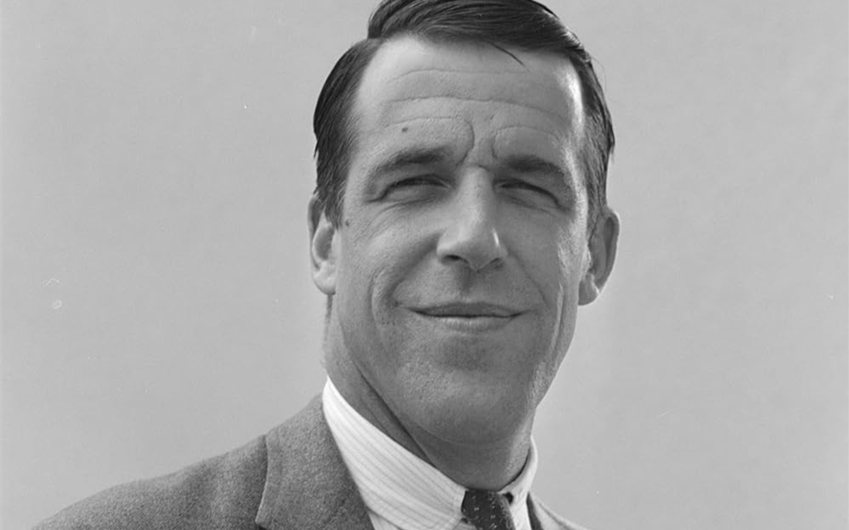
Fred Gwynne (born Frederick Hubbard Gwynne) was an American actor, artist, and author best known for two iconic 1960s sitcom roles: Officer Francis Muldoon on Car 54, Where Are You? and Herman Munster on The Munsters. He later expanded his legacy with memorable film roles, including Pet Sematary (1989) and, especially, My Cousin Vinny (1992), where he played the stern-but-hilarious Judge Chamberlain Haller. He also worked extensively in theater and maintained a creative life beyond acting, publishing children’s books built around playful language and homonyms.
Gwynne died on July 2, 1993, at age 66, from complications related to pancreatic cancer. His death was widely reported at the time, emphasizing how his career spanned stage, film, and television even though he remained most associated with Herman Munster in the public imagination.
Estimated Net Worth
Estimated net worth: approximately $2 million.
This figure is most commonly reported by Celebrity Net Worth, which lists Gwynne at $2 million. It’s important to treat this as an estimate, not a verified audited total, because older contracts, private assets, and family finances aren’t publicly itemized in a way that allows perfect calculation. You’ll see higher numbers on other sites, but those estimates vary widely and often don’t show how they reached the result. In practice, the safest conclusion is that Gwynne’s personal wealth was likely in the low single-digit millions, with $2 million as the most-cited anchor point.
Net Worth Breakdown: How Fred Gwynne Made His Money
1) 1960s television salary and long-term career impact
Gwynne’s financial foundation began with network television. Car 54, Where Are You? and The Munsters gave him national visibility—something that mattered not only for immediate earnings but for long-term employability. In that era, a successful sitcom didn’t just pay for the season; it created a recognizable persona that casting directors and producers remembered for decades.
That said, classic TV fame didn’t automatically mean “forever rich.” Many performers from the 1960s worked under contract structures that were not designed for modern streaming-style residuals. Reruns and syndication could generate ongoing payments, but the size and reliability of those payments depended heavily on the original deal terms and the distribution history of the show.
2) Film roles later in life, including a high-profile late-career run
One of the most important wealth-building factors in Gwynne’s story is that he didn’t disappear after his famous TV era. He kept working, and he landed roles that reintroduced him to new audiences. Pet Sematary gave him a standout part in a major horror film adaptation, and My Cousin Vinny turned his performance as the judge into a pop-culture favorite that still circulates today.
Late-career film work can be financially meaningful in two ways. First, it adds direct paychecks that come at a time when many actors’ earning power declines. Second, it often increases demand for appearances, interviews, and additional roles, because the industry likes “comeback” narratives and recognizable faces.
3) Stage and theater work as steady, professional income
Gwynne’s career wasn’t limited to screens. He performed in theater and built a reputation as a capable stage actor, including notable Broadway and repertory work. Theater rarely pays like blockbuster film, but it can provide steady employment, professional prestige, and consistent income across a career—especially for someone who can alternate between stage and screen.
For many actors, stage work also helps them stay sharp and visible to the right people in the industry. That visibility can translate into future roles and better casting opportunities, which indirectly supports long-term earning potential.
4) Children’s books: a second career that could keep paying over time
A big piece of Gwynne’s income story is easy to overlook: he was also a children’s book author and illustrator. Publishers and book listings regularly note that he wrote and illustrated multiple children’s books, including A Chocolate Moose for Dinner, built around humorous wordplay and homonyms.
Why does that matter for net worth? Because books can produce long-tail income. Even if royalties are modest year to year, a children’s book that stays in print—or becomes a classroom/library staple—can generate a slow, steady stream of money. It also diversifies income beyond acting, which is notoriously inconsistent. In an entertainment career, that kind of diversification can be the difference between having money only during peak TV years and having money that continues to arrive even when acting roles slow down.
5) Residuals, reruns, and catalog value
Residuals and reruns are the category people love to assume is huge, but it’s complicated—especially for performers whose most famous work came decades before streaming. The Munsters has remained culturally visible through reruns, fan communities, and nostalgia, and that can translate into ongoing payments. However, the actual amounts depend on contract language, union agreements, and how the content is licensed across different formats and eras.
In other words, catalog value exists, but it doesn’t necessarily turn into massive personal wealth unless the deal structure favored the performer. This helps explain why a star of an iconic show might still have a net worth estimate that feels modest compared to the size of the character’s cultural footprint.
6) Personal assets and why public estimates can’t see everything
Net worth is assets minus liabilities, and the public rarely has a full picture of either for older Hollywood figures. Real estate, savings, investments, and privately held assets are often unknown. Likewise, medical costs late in life, family obligations, and business expenses can reduce what remains. Gwynne died of pancreatic cancer in 1993, and serious illness can be financially draining even for successful entertainers.
This is why a single net worth number should be treated as a best-available estimate rather than a definitive fact. The estimate tells you the likely scale of his personal fortune, not the exact dollar amount in every account.
Featured Image Source: https://www.imdb.com/name/nm0001304/