Birdman Net Worth and the Massive Hip-Hop Empire Behind Cash Money Records
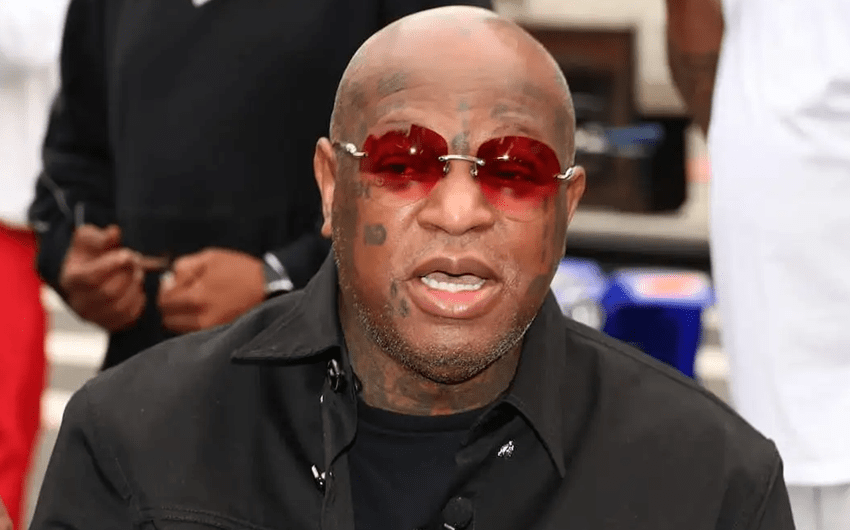
Birdman net worth remains one of the most discussed subjects in hip-hop because his influence stretches far beyond music alone. As the co-founder of Cash Money Records, Bryan “Birdman” Williams helped launch the careers of some of the biggest artists in rap history. His business decisions, partnerships, controversies, and long-term catalog ownership all shaped a fortune that continues to grow decades after he first entered the industry. In this article, we explore how much Birdman is worth today, how he built his financial empire, and why his legacy as a music executive remains one of the most impactful in hip-hop.
Birdman’s Current Net Worth
Birdman’s net worth is widely estimated to be around $150 million. While earlier estimates placed him closer to $200 million during the height of Cash Money’s dominance, fluctuations in business ventures, catalog valuations, and investment shifts have produced varied numbers over the years. However, the most consistent and credible figure remains around $150 million.
This massive fortune was built primarily through his ownership of Cash Money Records, a label responsible for more than a billion dollars in total sales over its history. Birdman’s wealth represents both the longevity of his business moves and the incredible cultural reach of the artists he helped develop.
Early Life and the Beginning of Cash Money Records
Born Bryan Williams in New Orleans, Birdman grew up facing extreme poverty and personal hardship. These early challenges shaped his ambition and hustle, eventually driving him to pursue entrepreneurship at a young age. In the early 1990s, Birdman and his brother Ronald “Slim” Williams founded Cash Money Records with a vision to bring New Orleans street rap to the national stage.
The label began as an independent operation, distributing tapes locally and building a loyal regional following. Birdman and Slim reinvested every dollar into the company, slowly expanding their roster and reputation. Their early signings, including Magnolia Shorty, B.G., and Juvenile, began to gain traction, paving the way for explosive success by the late 1990s.
The Universal Records Deal That Transformed His Wealth
The real turning point for Birdman’s financial future came in 1998, when Cash Money Records secured an unprecedented distribution deal with Universal Records. The deal reportedly included a multimillion-dollar advance, an 80/20 profit split in Cash Money’s favor, and — most importantly — allowed Birdman and Slim to retain ownership of their masters.
This contract became one of the most lucrative and artist-friendly deals in music history, positioning Birdman as a major industry player. The ownership of masters would later become a cornerstone of his wealth, as Cash Money’s catalog continued to grow in value with every hit song and every new star the label launched.
At a time when most artists and independent labels gave up ownership for distribution, Birdman’s insistence on maintaining control allowed him to accumulate long-term wealth in a way few hip-hop executives ever achieved.
Launching the Careers of Hip-Hop Legends
Under Birdman’s leadership, Cash Money Records became a powerhouse that produced some of the most influential artists in modern hip-hop. One of the first major stars was Juvenile, whose 1998 album “400 Degreez” achieved multi-platinum success. But the next wave would change the industry forever.
In the early 2000s, a young rapper named Lil Wayne emerged as Cash Money’s breakout superstar. Birdman played the role of mentor, business partner, and father figure, helping Wayne build a career that would eventually crown him as one of the greatest rappers of all time. Wayne’s success drastically expanded Birdman’s wealth, as the label’s catalog and influence grew exponentially.
Wayne’s Young Money imprint — created under the Cash Money umbrella — later launched Drake and Nicki Minaj, two of the best-selling and most influential artists of their era. Although Birdman did not personally sign them, his ownership stake in Cash Money meant he benefited significantly from their success.
Because he maintained control of so much of the catalog, every major hit, album, and stream continued to add to his long-term financial value. This structure remains one of the main reasons Birdman’s net worth remains so high today.
Birdman as an Artist and Performer
Although Birdman is best known as a label executive, he also built a successful career as a rapper. His self-titled 2002 album “Birdman” went gold, and he achieved additional success with tracks like “Stuntin’ Like My Daddy,” a collaboration with Lil Wayne that became one of the biggest hits of his career.
His music, combined with touring and merchandise, added millions to his net worth. Still, compared to his executive earnings, the income from his recording career represents a much smaller piece of his overall financial picture.
Business Investments Beyond Music
Birdman expanded his wealth through multiple business ventures outside of Cash Money Records. His investments have included fashion, alcohol brands, real estate, and even oil companies. Over the years, he explored entrepreneurial projects with mixed success, but several of his ventures contributed meaningfully to his long-term wealth.
Real estate has been especially significant. Birdman has owned multiple multimillion-dollar properties, including mansions in Miami and Los Angeles. He became known for his lavish lifestyle, showcasing expensive cars, jewelry, and luxury homes. These assets reflect not only his personal taste but also his ability to diversify income streams beyond the music business.
Although some ventures did not achieve massive returns, his reputation as a businessman helped him secure endorsement deals, club appearances, and high-paying collaborations that added to his overall wealth.
Controversies, Lawsuits, and Financial Challenges
Birdman’s financial story has not been without challenges. Over the years, he has been involved in several high-profile disputes, including legal battles with Lil Wayne regarding unpaid royalties and contractual disagreements. These disputes created public tension and temporarily slowed business operations.
Additionally, Birdman faced several lawsuits related to unpaid debts, property foreclosures, and business disputes. Some of these issues resulted in payouts or settlements that reduced portions of his net worth at various points.
Despite these challenges, Birdman maintained ownership of key catalog assets, which continues to anchor his financial stability. Because music publishing and master recordings appreciate in value over time — especially catalogs with major hits — his long-term wealth remains strong despite short-term controversies.
The Value of Cash Money Records Today
One of the strongest contributors to Birdman’s continuing wealth is the sustained value of Cash Money Records’ catalog. The label’s music continues to generate millions from streaming, licensing, publishing, and international markets. Songs from Lil Wayne, Drake, Juvenile, Nicki Minaj, Tyga, and other major artists remain highly profitable.
In today’s streaming-driven music ecosystem, classic catalogs often increase in value. This means that even if Birdman no longer signs major new artists, his earlier investments continue generating long-term passive income.
While Cash Money is no longer as dominant as it was in the early 2000s and 2010s, its legacy earnings remain a key factor behind Birdman’s nine-figure net worth.
Birdman’s Reputation and Legacy in Hip-Hop
Birdman’s legacy is both celebrated and controversial. On one hand, he is recognized as one of the most influential executives in rap history. His vision, talent-scouting abilities, and innovative business deals helped shape modern hip-hop. Few music executives have played a role in launching as many careers or producing as many influential albums.
On the other hand, his reputation has been complicated by contractual disputes, lawsuits, and financial disagreements with artists. While he is often praised for his business acumen, he has also been criticized for the way some deals were structured or executed.
Regardless of the controversies, Birdman’s impact on music is undeniable. His financial empire stands as a testament to his strategic thinking, resilience, and ability to maintain ownership of valuable assets that continue producing revenue today.
Conclusion: Birdman’s Net Worth Reflects a Lifetime of Ambition and Influence
Birdman’s net worth — estimated at around $150 million — represents one of the most impressive business stories in hip-hop. From growing up in New Orleans to building one of the most successful labels in music history, Birdman’s financial rise reflects decades of strategic leadership, entrepreneurial risk-taking, and cultural impact.
His wealth comes not only from musical success but from the ownership of an irreplaceable catalog that continues to generate millions globally. Despite legal challenges and public controversies, Birdman remains one of the most influential executives the rap world has ever seen, and his fortune stands as a symbol of that enduring legacy.
image source: https://www.vice.com/en/article/birdman-trashes-former-cash-money-rapper-turk-amidst-star-studded-verzuz-battle-against-no-limit/