Caitlin Clark Net Worth: College Stardom, WNBA Career, and Earnings
Caitlin Clark’s net worth has become one of the most talked-about subjects in modern women’s basketball, reflecting how rapidly the economics of the sport have evolved. Clark is not only a generational talent on the court but also a symbol of how elite performance, media exposure, and brand power can translate into real financial value. While her professional basketball salary alone does not explain her wealth, the combination of NIL income, endorsements, and long-term brand agreements provides a clearer picture of how she has built a multi-million-dollar financial foundation at a young age.
Who Is Caitlin Clark? Early Life and Basketball Background
Caitlin Clark was born in 2002 and raised in West Des Moines, Iowa. Growing up in an athletic family, she developed a competitive mindset early and gravitated toward basketball almost immediately. Clark regularly played against older competition, which accelerated her development and sharpened her confidence.
By high school, she had already established herself as one of the most dominant players in the country. Her scoring ability, range, and composure earned her national recognition and elite recruiting interest. Long before endorsement deals entered the picture, Clark’s foundation was built on exceptional skill and relentless work ethic—qualities that would later fuel both her athletic and financial success.
College Career and Rise to National Fame
Clark’s decision to attend the University of Iowa proved transformational. From her freshman season onward, she became the face of the program and one of the most recognizable athletes in college sports. Her deep shooting range, playmaking ability, and clutch performances turned Iowa games into must-watch events.
She shattered school and conference records, led Iowa to deep tournament runs, and consistently drew national television audiences. Attendance surged wherever she played, including sold-out road arenas. This level of exposure elevated Clark from star player to national sports figure, dramatically increasing her marketability even before she turned professional.
Name, Image, and Likeness (NIL) and Why It Changed Everything
The introduction of Name, Image, and Likeness rules marked a turning point for college athletics, and Caitlin Clark emerged as one of its biggest beneficiaries. NIL allowed her to earn income from endorsements, appearances, and branded content without sacrificing eligibility.
Clark’s appeal went beyond statistics. She combined elite performance with relatability, strong media presence, and broad fan appeal. Brands viewed her as authentic, competitive, and marketable across demographics. NIL effectively allowed Clark to monetize her fame at its peak, rather than waiting years for professional contracts to catch up with her popularity.
Major NIL Deals and Endorsements
During her college career, Clark signed numerous high-profile NIL deals with national brands spanning sportswear, food and beverage, and consumer products. While most individual contract terms were not publicly disclosed, NIL valuation platforms consistently ranked her among the top earners in college sports.
Industry estimates placed her NIL valuation in the multi-million-dollar range, with income coming from sponsorships, social media promotions, merchandise, and appearances. Importantly, this money was earned while she was still an amateur athlete, fundamentally reshaping her financial trajectory compared to previous generations of women’s basketball players.
WNBA Draft and Professional Salary Reality
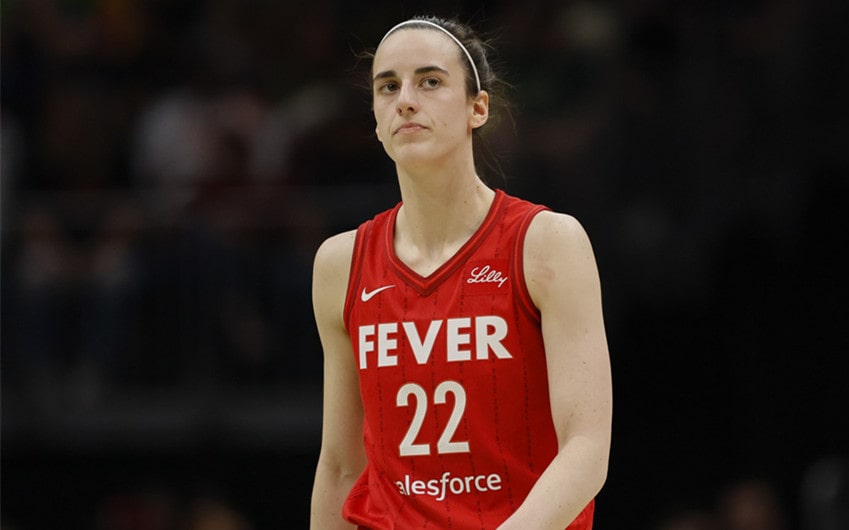
Clark entered the WNBA as a top overall draft pick, immediately becoming one of the league’s most visible players. As a rookie, she signed a standard four-year contract under the league’s collective bargaining agreement.
While WNBA salaries are modest compared to men’s professional leagues, Clark’s contract provides stability and legitimacy at the professional level. Her annual salary is measured in the tens of thousands rather than millions, making it clear that basketball salary alone is not the primary driver of her wealth. Instead, the WNBA serves as a platform that enhances her visibility, strengthens her brand, and supports endorsement growth.
Caitlin Clark Net Worth: A Reasonable and Transparent Estimate
Any credible discussion of Caitlin Clark net worth must separate headline deal values from actual accumulated wealth. Endorsement contracts are typically paid over time, include performance incentives, and are subject to taxes and management fees. Net worth reflects what an athlete has retained, not simply what has been promised.
Clark’s professional salary contributes a small but steady base. Her NIL earnings during college represented her first major financial leap, with conservative estimates placing those earnings in the low-to-mid seven figures across multiple years. The most significant driver of her future wealth is her long-term endorsement portfolio, particularly her major footwear deal.
That deal, widely reported as being worth tens of millions of dollars over multiple years, does not translate to instant cash. Payments are spread out, and only a portion contributes to present-day net worth. Taking this structure into account, along with known NIL earnings and current professional income, a reasonable estimate places Caitlin Clark net worth in the range of approximately $3 million to $6 million, with many analysts clustering around $5 million as a practical midpoint.
This range reflects earned income to date, not projected future earnings—which are likely to grow substantially.
Sponsorships, Media Exposure, and Off-Court Income
Clark’s value extends far beyond game nights. She is a frequent presence in national media, advertising campaigns, and league promotions. These appearances reinforce her image and keep her at the center of conversations around women’s basketball.
Off-court income also includes speaking engagements, youth camps, licensing agreements, and branded collaborations. These revenue streams diversify her income and reduce reliance on athletic performance alone, a critical factor in long-term financial security for professional athletes.
Lifestyle, Spending Habits, and Financial Approach
Despite her rising wealth, Clark maintains a grounded public lifestyle. She is not known for excessive luxury spending or flashy purchases. Instead, her focus appears to remain on training, competition, and career development.
This measured approach suggests disciplined financial management. By prioritizing long-term stability over short-term indulgence, Clark preserves flexibility and positions herself for sustained wealth accumulation as her career progresses.
Featured Image Source: parade.com