Juana La Loca Husband Philip The Handsome: Marriage, Politics, Children And Tragic Legacy
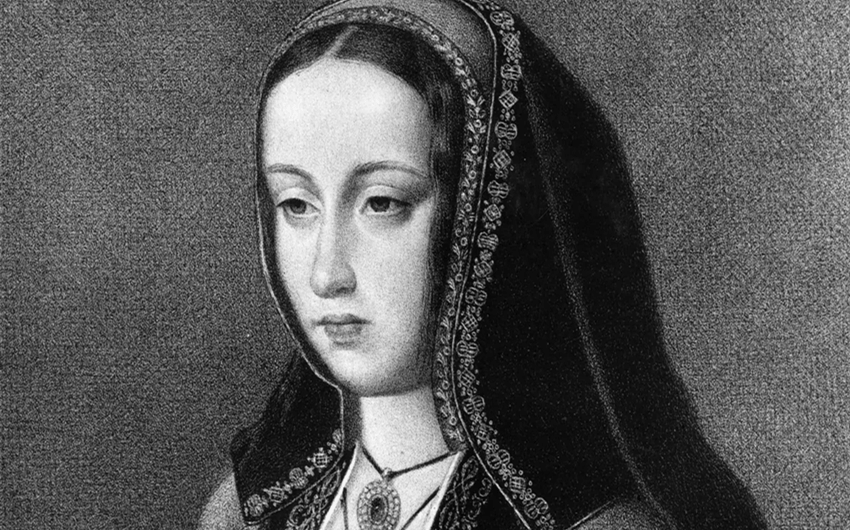
If you’re searching for Juana la Loca husband, you’re looking for Philip the Handsome (also known as Philip I of Castile), an ambitious Habsburg prince whose marriage to Queen Juana shaped the future of Spain and Europe. Their relationship has been retold for centuries as a dramatic love story, but the reality was bigger—and harsher—than romance: dynastic strategy, brutal power struggles, and a queen whose life was later defined by confinement.
Below is a clear, detailed look at who Juana was, who her husband was, how their marriage worked, what happened after Philip’s death, and why “Juana la Loca” is still debated today.
Quick Facts
- Juana la Loca: Juana I of Castile (Queen of Castile)
- Juana la Loca husband: Philip the Handsome (Philip I of Castile)
- Marriage: 1496
- Children: Six (including Charles, the future Holy Roman Emperor and King of Spain)
- Why they married: A major political alliance between Spain and the Habsburgs
- Philip died: 1506
- Juana’s later life: Spent decades confined, largely under others’ control
Who Was Juana La Loca
“Juana la Loca” means “Joanna the Mad,” but Juana’s real identity is far more complex than that nickname suggests. Juana I of Castile was born into the most powerful royal couple in Spain—Ferdinand of Aragon and Isabella of Castile—during a time when monarchy was becoming more centralized, more aggressive, and more international.
Juana was highly educated for a royal woman of her era, fluent in courtly culture, and placed at the center of European politics long before she could control it. She became Queen of Castile through inheritance, but her ability to rule was repeatedly questioned and restricted by the men around her—first her husband, then her father, and later her son. Over time, “madness” became the label used to justify removing her from real power.
So when you hear “Juana la Loca,” it helps to think of two stories happening at once: the public legend of a jealous, unstable queen—and the political reality of a woman who stood in the way of other people’s ambitions.
Who Was Juana La Loca’s Husband Philip The Handsome
Philip the Handsome was a Habsburg prince raised in the political machine of Burgundy and the Netherlands—wealthy territories that were central to European trade and power. Handsome wasn’t just a nickname; he was widely admired for his appearance and charm. But he was also ambitious, surrounded by advisors who understood exactly how valuable Juana’s inheritance could be.
Through marriage to Juana, Philip gained a direct path into the Spanish royal succession. If Juana became queen (which she did), Philip could position himself as ruler—or at least as the primary authority at court. That potential made their relationship politically explosive, because it created an unavoidable conflict: Juana’s legal right to rule versus Philip’s desire to control the throne through her.
In short, Philip was not merely “the husband.” He was a key figure in a European power play that reshaped dynasties for generations.
Why Juana Married Philip The Handsome
Juana and Philip’s marriage was arranged as part of a strategic alliance. Spain wanted strong partners against rival powers, and the Habsburgs were building a dynasty that would eventually dominate huge parts of Europe. Marrying Juana into the Habsburg line helped create an international super-connection—linking Spanish territories and wealth with Habsburg influence and networks.
That’s the cold political reason. The more human side is that Juana reportedly became intensely attached to Philip early on. Whether it was love, fascination, loneliness, or a mix of all three, many historical accounts describe her as emotionally invested in a way that made her vulnerable in a marriage where power was not evenly balanced.
Was Their Marriage Happy Or Troubled?
Their marriage is often described as turbulent, and there are a few reasons it turned into such a mess:
- Philip’s infidelity: Philip was widely believed to have had relationships outside the marriage, which fueled conflict.
- Juana’s emotional intensity: Juana’s strong attachment to Philip became a target—something others could interpret as instability.
- Politics everywhere: They weren’t just spouses; they were pieces on a dynastic chessboard.
- Control of the crown: Once Juana’s inheritance became real, the question wasn’t “Who loves who?”—it was “Who rules?”
It’s important to understand how brutal royal marriages could be. “Private life” didn’t really exist. Every disagreement could become a state crisis, because the relationship affected laws, alliances, money, and the line of succession.
When Juana Became Queen And Why Power Became A Battlefield
Juana’s path to the throne became clearer after the deaths of her siblings and other heirs. When Isabella of Castile died, Juana inherited the Castilian crown. That should have made Juana the sovereign authority—but it didn’t play out cleanly.
Philip pushed to rule in Castile in a way that effectively sidelined Juana. Meanwhile, Juana’s father, Ferdinand, had his own interest in maintaining influence in Castile. This created a political tug-of-war where Juana’s status mattered enormously, yet her personal authority was constantly undermined.
This is one of the key reasons people still debate the “madness” label. In a political environment like this, declaring a queen “unfit” was a convenient way to remove her agency while still using her legitimacy when needed.
How Did Philip The Handsome Die?
Philip died suddenly in 1506, and his death became one of the defining turning points in Juana’s story. With Philip gone, Juana’s personal world collapsed—and the political world around her moved quickly to contain the situation.
Philip’s death also removed a powerful figure who had been competing for control of Castile. In theory, this could have created space for Juana to rule directly. In practice, it made her more vulnerable. With Philip gone, the men around Juana had even more reason to manage her public image, her decisions, and her access to power.
Did Juana And Philip Have Children?
Yes. Juana and Philip had six children, and their children are a huge reason their marriage mattered historically. The most famous is Charles (often called Charles V as Holy Roman Emperor), who inherited vast territories and became one of the most powerful rulers in European history.
Their children weren’t just a family detail—they were the bridge between Spanish royal power and Habsburg expansion. That dynastic outcome is the “big picture” result of the marriage. Whatever emotional chaos existed between Juana and Philip, their union produced a lineage that changed the map of Europe.
Why Was Juana Called “La Loca”?
Juana’s nickname has been debated for centuries. Some interpretations emphasize that she may have experienced real mental health struggles. Others argue that her emotions were exaggerated or manipulated by political opponents who needed a reason to take her out of power.
Here’s what’s hard to ignore: labeling a ruler “mad” is one of the oldest political strategies in history. It turns a legal monarch into a “problem to manage.” And in Juana’s case, that label served multiple people at different times—her husband, her father, and later her son—because each of them benefited from limiting her independent authority.
So even if you believe Juana suffered emotionally, the political use of that suffering is still part of the story. Her life became less about who she was and more about how others could control what she represented.
Juana’s Confinement And Life After Philip
After Philip’s death, Juana’s life moved toward long-term confinement. Over time, she was kept in a controlled environment where her ability to govern was restricted, and decisions were made around her rather than by her.
What makes this especially tragic is the length of it. Juana lived for many more years, but most of that time was shaped by isolation and political containment. In practice, she existed as a living symbol of legitimacy—useful for claims to rule—while being prevented from exercising real power.
This is the part of Juana’s story that often gets lost in romantic retellings. It wasn’t just heartbreak. It was a long, enforced removal from the world she was born to lead.
Why People Still Search “Juana La Loca Husband”
This question stays popular because Juana and Philip’s relationship sits at the crossroads of:
- Romance and tragedy (a queen deeply attached to her husband)
- Dynastic politics (a marriage designed to reshape power)
- Historical controversy (was she truly “mad,” or politically boxed in?)
- Legacy (their children and the Habsburg-Spanish empire connection)
In other words, you’re not just asking about a husband. You’re asking about the person who helped trigger one of the most debated royal downfalls in European history.
The Bottom Line
Juana la Loca husband was Philip the Handsome (Philip I of Castile). They married in 1496 in a politically strategic alliance that later became emotionally volatile and historically consequential. They had six children, including Charles, who inherited a massive empire. Philip’s sudden death in 1506 helped set the stage for Juana’s long confinement and the enduring debate over whether she was truly mentally ill or politically sidelined. Either way, their marriage remains one of the most powerful—and tragic—royal partnerships in European history.
Featured image source: https://www.elmundo.es/papel/historias/2020/08/07/5f2be74ffc6c83f22e8b4592.html