T.D. Jakes Net Worth in 2026: Estimate and Detailed Income Breakdown Full
If you’re researching td jakes net worth, you’re really trying to understand how a megachurch leader became a major media-and-business figure. The clearest answer is that his wealth isn’t tied to one paycheck. It’s a layered portfolio built from ministry influence, publishing success, speaking demand, and long-running entrepreneurship.
Who Is T.D. Jakes?
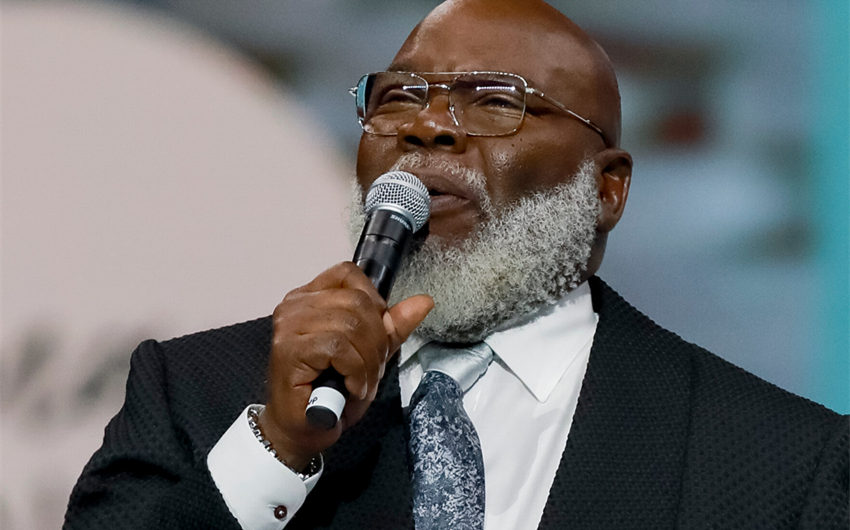
T.D. Jakes (Thomas Dexter Jakes Sr.) is an American bishop, pastor, author, and filmmaker best known for founding and leading The Potter’s House, a Dallas-based megachurch that grew into one of the most visible faith communities in the U.S. Over time, he expanded beyond the pulpit into books, conferences, film and television projects, and business ventures under the broader umbrella of his brand and companies.
In recent years, he has also shifted his role inside the church. After a highly publicized health emergency in late 2024, he announced a transition away from day-to-day senior pastor leadership, with leadership passing to his daughter Sarah Jakes Roberts and her husband Touré Roberts beginning in July 2025, while he remains involved in oversight and broader organizational leadership.
Estimated T.D. Jakes Net Worth (2026)
Estimated net worth: around $50 million (with some estimates ranging lower or higher).
Because T.D. Jakes is not a publicly traded CEO and does not publish financial statements, every number you see online is ultimately an estimate. The most commonly repeated mainstream estimate places him around the $50 million mark. You’ll also find lower ranges (often in the $20–$30 million area) and much higher figures floating around, but those higher claims typically rely on unclear sourcing or assumptions about assets and ministry-related revenue that aren’t publicly confirmed.
The most responsible way to view his net worth is: low-to-mid eight figures is plausible, with $50 million functioning as a widely cited midpoint estimate rather than a verified total.
Net Worth Breakdown: Where His Money Likely Comes From
1) Ministry Leadership and Church-Related Compensation
For high-profile megachurch leaders, compensation can include a combination of salary, housing or travel allowances, benefits, and additional support tied to the operational demands of leading a large organization. Exact numbers for Jakes are not publicly disclosed in a clean, official format that lets outsiders calculate a precise total.
Still, it’s reasonable to treat church-related compensation as one foundational layer of his wealth—especially given the scale and longevity of his ministry. The key nuance is that “church influence” doesn’t automatically equal “personal income.” A large church can manage huge budgets while an individual leader’s personal take-home can be smaller than the public assumes, depending on governance, reinvestment, and how the leader structures income through separate ventures.
2) Book Sales and Publishing Royalties
Publishing is one of the most dependable wealth engines for prominent faith leaders, and T.D. Jakes has built a long-running catalog. Books create income in multiple ways: advances from publishers, royalties from ongoing sales, foreign rights, and audiobook formats. When an author has decades of backlist titles, the “long tail” matters—older books can keep generating revenue year after year, especially when new audiences discover them through sermons, conferences, or media appearances.
Publishing also strengthens the brand loop: books expand the audience, the audience increases event demand, and higher demand supports better deal terms for future releases.
3) Speaking Engagements, Conferences, and Ticketed Events
T.D. Jakes’ influence extends into large-scale events, leadership summits, and motivational speaking. For public figures with a strong following, speaking fees can be substantial, particularly when the speaker is perceived as a headline draw. Beyond individual speaking fees, events can generate revenue through ticket sales, sponsorships, vendor partnerships, and brand extensions connected to the event ecosystem.
This category is often overlooked because people think “pastor income” and stop there. In reality, for someone with his visibility, public speaking and large gatherings can act as a major revenue channel—especially over decades.
4) Film, Television, and Media Production
Jakes has also operated as a media entrepreneur, with projects spanning film and television production and broader content development. Media work can pay in several forms: producer fees, executive producer compensation, licensing deals, distribution arrangements, and in some cases profit participation.
Even when media projects aren’t blockbuster hits, they can still be financially meaningful because production companies often work through multiple projects over time. One solid run of releases can create consistent revenue, and media credibility also increases the speaker-and-author brand value that supports other income streams.
5) Business Ventures and Brand Infrastructure
A major reason his net worth is difficult to estimate is that his career functions more like a portfolio than a single job. Beyond church leadership and publishing, he has operated within a broader business structure that includes brand-driven ventures. These can include production-related entities, intellectual property management, partnerships, and various commercial efforts tied to his name and platform.
For net worth purposes, the important detail is that business ownership changes the math. Owners don’t only earn income; they can build equity in an enterprise. Over time, equity is often what separates a “high earner” from someone who accumulates lasting wealth.
6) Real Estate and Asset Holdings
Many high-net-worth public figures hold a portion of their wealth in real estate—either personal property or investment property. Public information about exact holdings can be incomplete or outdated, so it’s not wise to claim specific assets as fact unless they are clearly documented. However, as a general wealth pattern, real estate is a common store of value for people in his financial tier and can meaningfully contribute to net worth through appreciation over time.
7) Digital Media, Licensing, and Ongoing Platform Income
Modern public figures often monetize platforms through digital content, licensing arrangements, syndicated sermons, media distribution, and newer formats such as podcasts. Even when these channels don’t generate “headline” money individually, they can produce steady income that compounds—especially for someone with a large, loyal audience and decades of content available for distribution.
This is also the kind of income stream that can continue even as someone steps back from day-to-day leadership duties, which helps explain why a leadership transition doesn’t necessarily mean a financial decline.
Featured Image Source: https://www.nytimes.com/2024/11/25/us/td-jakes-health-incident-stable.html