Caitlin Clark’s Net Worth in 2026: Estimate and Earnings Breakdown
Caitlin Clark didn’t just become a basketball star—she became a full-blown business in sneakers, sponsors, and nonstop visibility. That’s why caitlin clark’s net worth is searched so often. She hasn’t publicly confirmed a number, so every figure you see is an estimate. The most responsible way to talk about her wealth is to combine what’s documented (contracts and major reported deals) with the reality that much of her income comes from private endorsement agreements.
Who Is Caitlin Clark?
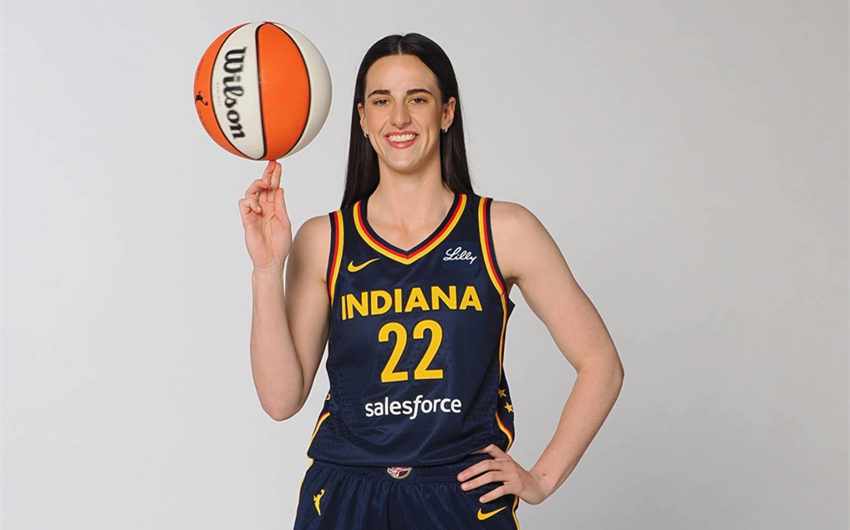
Caitlin Clark is an American professional basketball player who rose to national fame at the University of Iowa, where she became one of the most watched players in women’s college basketball history. She entered the WNBA as the No. 1 overall pick in the 2024 draft and joined the Indiana Fever, quickly turning into one of the league’s biggest draws on and off the court.
What makes her financial profile unusual is timing: she peaked during the NIL era in college (when athletes can earn from name, image, and likeness), then hit the pros already carrying a sponsor portfolio that many veteran players never get. In other words, her money story has never depended mainly on her WNBA salary.
Estimated Caitlin Clark’s Net Worth
Most realistic 2026 estimate range: about $5 million to $15 million.
Here’s why that range makes sense without pretending it’s exact. Her WNBA rookie contract is publicly trackable and relatively small compared with her endorsement machine. Spotrac lists her four-year rookie deal at $338,056 total (average about $84,514 per year). That’s real money, but it isn’t what makes her wealthy.
The bigger driver is endorsements. Sportico reporting has repeatedly framed Clark as one of the highest-paid athletes in women’s sports primarily because of off-court income. For example, coverage summarizing Sportico’s estimates put her 2024 total earnings around $11.1 million, with the overwhelming share coming from endorsements rather than salary. More recent summaries tied to Sportico’s 2025 list describe her earnings rising again, with endorsements still doing nearly all the heavy lifting.
Once you see multiple years of eight-figure annual earnings estimates, “mid-to-high millions in net worth” becomes plausible even after taxes and expenses. However, it’s also why estimates vary: someone can earn $10+ million in a year and still have a net worth far below that if taxes are high, spending is high, and money is reinvested into teams, advisors, and long-term brand building.
Net Worth Breakdown
1) WNBA salary and bonuses (surprisingly small)
Clark’s WNBA pay is the most transparent part of her finances—and also the least impactful. Public contract trackers list her rookie contract total at $338,056 over four seasons. Even if you add typical bonuses, that income is not what creates a multi-million-dollar net worth. It’s essentially the “official paycheck,” while everything else is where the real wealth forms.
This is important context because a lot of people assume a top pick gets top pay. In the WNBA, the economic reality is different: the rookie scale is modest, and the biggest stars often earn far more outside the league than inside it.
2) Nike deal (the headline contract)
The most widely reported single deal tied to Clark is her Nike agreement. In April 2024, outlets like Sports Illustrated reported she signed an eight-year deal worth up to $28 million, including the expectation of a signature shoe. That figure matters for net worth conversations because it signals two things at once: long-term guaranteed brand commitment and “franchise athlete” status in the sneaker world.
Even though “up to $28 million” doesn’t mean she receives $28 million immediately, it still raises her baseline earning power dramatically. Multi-year contracts also stabilize wealth: they reduce the risk of income dropping if the market cools or if a single season doesn’t go perfectly.
3) Endorsements beyond Nike (the actual engine)
Clark’s wealth isn’t built on one sponsor—it’s built on a portfolio. Reporting and sponsor roundups consistently list brands such as Gatorade, State Farm, Wilson, Panini, Gainbridge, and others associated with her public sponsorship footprint. The exact contract terms aren’t usually public, but what is clear is that she sits in a tier where brands don’t just buy a post—they buy a campaign.
This is where net worth can accelerate. If you’re a brand-safe, mass-market star with crossover appeal, you can stack multiple seven-figure endorsement deals in the same year. And because her audience spans sports fans, casual viewers, and mainstream pop culture, her sponsorship value isn’t limited to “basketball people.” That multiplies demand.
4) NIL money from college (early wealth before the WNBA)
Clark entered the league already monetized. During her Iowa years, NIL estimate trackers like On3 pegged her NIL valuation around the low single-digit millions, with widely cited combined estimates around $3.1 million tied to known deals.
That matters because it means she wasn’t starting from zero in 2024. She had already built earning momentum, relationships with major brands, and a public identity that was sponsor-friendly before she ever played a pro game.
5) Memorabilia and “Clark economy” side effects (not direct net worth, but signals)
While memorabilia sales (like high-priced trading cards at auction) don’t automatically increase her net worth unless she’s directly paid from those sales, they’re a strong signal of market demand. When a player’s items set records, it tells sponsors and merch partners that consumers are willing to spend real money connected to that name. That demand can translate into bigger licensing opportunities, better deal terms, and more leverage in future negotiations.
6) The expenses people forget (why net worth isn’t the same as earnings)
Even if Clark earns eight figures in a year, net worth depends on what she keeps. High-income athletes typically pay for agents, managers, lawyers, accountants, brand teams, and security in some situations. Taxes take a major cut. And many athletes invest aggressively or buy assets (like real estate) that don’t show up as cash in hand but still count toward net worth over time.
So when you see “$11 million earned” in a year, it doesn’t mean “$11 million added to net worth.” It means a large top-line income that gets reduced by real-world costs—still leaving room for substantial wealth growth if managed well.
Featured Image Source: https://www.today.com/news/sports/caitlin-clark-wnba-season-2025-interview-rcna206550