Harvey Weinstein Net Worth and the Rise and Collapse of a Hollywood Empire
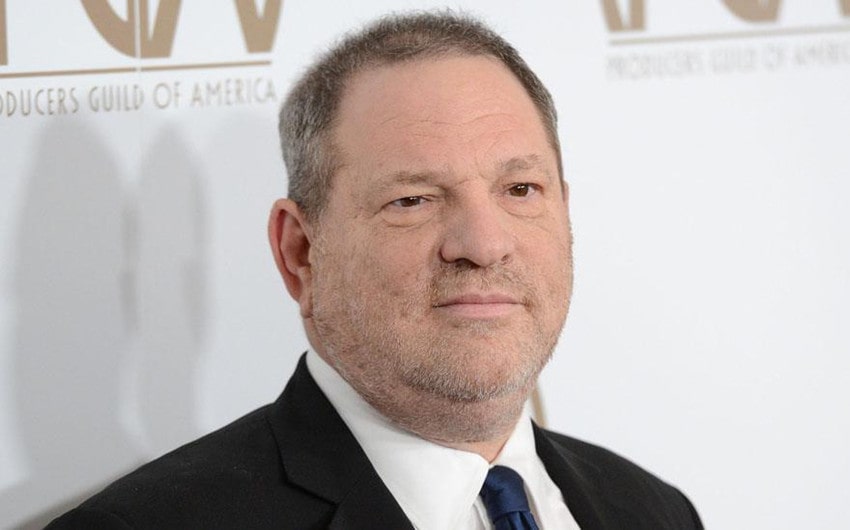
Harvey Weinstein net worth has become a point of intense public interest because it reflects one of the most dramatic financial rises and falls in modern celebrity history. Once considered one of the most powerful producers in Hollywood, Weinstein controlled multimillion-dollar film studios, shaped Oscar races, launched careers, and accumulated enormous wealth. But after his 2017 downfall and the criminal convictions that followed, his fortune plummeted, his companies collapsed, and his assets disappeared into legal battles. This article explores how much he was worth at his peak, what remains of his wealth now, and why his financial journey mirrors his dramatic fall from grace.
Harvey Weinstein’s Net Worth at His Peak
At the height of his power, Harvey Weinstein’s net worth was widely estimated to be between $240 million and $300 million. This enormous fortune came from his decades as co-founder of Miramax Films and later The Weinstein Company. Both studios produced or distributed some of the most acclaimed movies of the last forty years. His success in the film industry was not only measured by awards and box office numbers, but also by personal wealth that continued to grow year after year.
During his peak years in the 1990s and 2000s, Weinstein’s financial portfolio included luxury homes, valuable real estate investments, production royalties, equity in film projects, and ownership stakes in his companies. The sheer scale of his influence meant that he earned money not only from blockbuster films but also from international licensing, distribution deals, and profit-sharing agreements across the entertainment industry.
For a long time, Weinstein appeared to be untouchable — a mogul whose wealth and power were firmly intertwined. But by the mid-2010s, although he was still wealthy, his companies began to show signs of financial instability, and his personal empire was not as invincible as it once seemed.
How He Built His Wealth Through Miramax and The Weinstein Company
Harvey Weinstein’s financial ascent began in 1979 when he and his brother Bob founded Miramax Films. Named after their parents Miriam and Max, the company originally distributed small independent films. But by the late 1980s and early 1990s, Miramax had become a cultural force, championing edgy films that major studios hesitated to touch.
Hits like “Pulp Fiction,” “Good Will Hunting,” “Shakespeare in Love,” and many other critically acclaimed movies brought attention, awards, and profit. Miramax became synonymous with Oscar prestige, and every awards season added millions to Weinstein’s growing net worth.
When Disney purchased Miramax in 1993, the Weinstein brothers retained leadership roles and significant influence. Although the deal made Weinstein wealthy, it also gave him the capital and reach necessary to expand even further. Under Disney, Miramax continued releasing award-winning films that generated both box office success and international distribution profits.
In 2005, after leaving Miramax, Weinstein co-founded The Weinstein Company. This new studio continued the same formula: prestige films, awards campaigns, and strategic marketing that turned small films into major successes. Movies produced or distributed under this banner earned billions worldwide, reinforcing Weinstein’s financial status and adding another valuable business to his name.
For decades, Weinstein was not just a producer — he was a gatekeeper. His influence allowed him to negotiate lucrative deals, secure rights to high-performing films, and maintain financial dominance in an industry driven by power. His wealth grew from his ability to dictate what projects were made, who starred in them, and how they were marketed.
Lifestyle, Properties, and Personal Assets
Harvey Weinstein’s wealth funded an extravagant lifestyle consistent with Hollywood’s elite. He owned multiple properties, including luxury homes in New York City, Connecticut, and Los Angeles. These residences were often showcased in high-profile magazines and reflected the opulence associated with his celebrity status.
Weinstein also collected art, invested in entertainment tech ventures, and enjoyed the benefits of being a major studio executive. He traveled frequently, lived lavishly, and often appeared at international film festivals, charity events, and red-carpet premieres. His net worth supported not just comfort but influence — the kind that kept him at the top of the industry for decades.
However, the lifestyle that once symbolized his power would eventually turn into a financial burden as legal challenges mounted and his assets were liquidated.
The Downfall: Scandal and the Destruction of His Wealth
Everything changed in 2017 when widespread allegations of sexual misconduct became public. The accusations, which spanned decades, led to a cultural reckoning and ultimately destroyed both Weinstein’s reputation and his financial empire. He was immediately fired from The Weinstein Company, and the studio quickly spiraled toward collapse.
The fallout was swift and devastating. Numerous partners cut ties with the company, major projects were canceled, and revenue streams evaporated. Within months, The Weinstein Company faced insurmountable debt and legal pressure. It ultimately declared bankruptcy in 2018, with its assets sold off to pay creditors and settle lawsuits.
As the company fell apart, so did Weinstein’s personal finances. His once-valuable ownership stake became essentially worthless. Without the income from film production, distribution deals, or ongoing studio profits, much of his financial foundation disappeared.
In addition to the destruction of his business empire, Weinstein faced criminal legal fees, civil lawsuits, court judgments, and massive settlements. These costs drained millions from his accounts and forced him to sell properties, liquidate assets, and redirect personal funds toward legal expenses. Lawyers, trial fees, and the long appeals process all contributed to the rapid erosion of his net worth.
What Is Harvey Weinstein’s Net Worth Today?
Today, Harvey Weinstein’s net worth is estimated at approximately $25 million — a dramatic collapse compared to the nearly $300 million fortune he once controlled. While this number may appear significant on paper, it represents only a fraction of what he once possessed and is heavily overshadowed by financial liabilities.
His real estate holdings have been sold off or foreclosed. Many assets that once added value to his net worth no longer belong to him. And because he is serving multiple lengthy prison sentences, he does not have access to income-generating opportunities. Nearly all of his current worth accounts for any remaining investments, retirement accounts, or personal assets not yet overtaken by legal obligations.
Even this reduced net worth may not be fully accessible. Ongoing legal disputes and civil cases mean that any remaining wealth is likely constrained or earmarked for settlements, attorney fees, or restitution. In practical terms, Weinstein does not enjoy the freedom or lifestyle typically associated with someone worth tens of millions of dollars.
Why Some Wealth Remains Despite His Downfall
Some people question why Weinstein retains any wealth at all. The primary reason is that not all assets could be legally seized. Certain investments, retirement funds, and personal holdings cannot be directly claimed through civil judgments. Additionally, some income from earlier film royalties or long-term contracts may continue to exist, although in limited form.
However, even if Weinstein technically retains some assets, his net worth no longer carries relevance in terms of influence or personal benefit. He remains incarcerated, with no realistic path to rebuilding his fortune or re-entering the entertainment world. In this context, the number itself is more symbolic than practical — a shadow of what once was.
The Broader Meaning of His Financial Collapse
Harvey Weinstein’s financial collapse mirrors his personal and professional downfall. For decades, his wealth was a symbol of unchecked power in Hollywood — power that allowed him to dominate awards seasons, control careers, and shape the industry in his image. When that power evaporated, so did the financial empire built around it.
The destruction of his net worth represents more than just lost money. It reflects the unraveling of a system that protected influential men despite long-standing allegations against them. In many ways, his financial story became a public example of accountability — a dramatic reversal of fortune symbolizing the cost of abuse, misconduct, and exploitation.
Weinstein’s name is now associated with scandal, prison, and disgrace rather than film success. His net worth is no longer a measure of business achievement but a reminder of how quickly wealth can collapse when legal and moral consequences catch up.
Conclusion: A Fortune Built on Power, Lost Through Consequences
Harvey Weinstein’s net worth — once estimated near $300 million and now around $25 million — reflects one of the most dramatic financial rises and falls of any Hollywood figure in modern history. His journey spans decades of dominance, influence, luxury, and eventually a catastrophic collapse driven by criminal behavior and accountability.
Today, his remaining wealth holds little significance compared to the magnitude of his downfall. His financial legacy, much like his cultural legacy, is defined not by the films he produced or the awards he won, but by the consequences of his misconduct. His story stands as a stark illustration of how power, when abused, can destroy even the largest fortunes.
image source: https://www.bbc.com/news/entertainment-arts-41814345