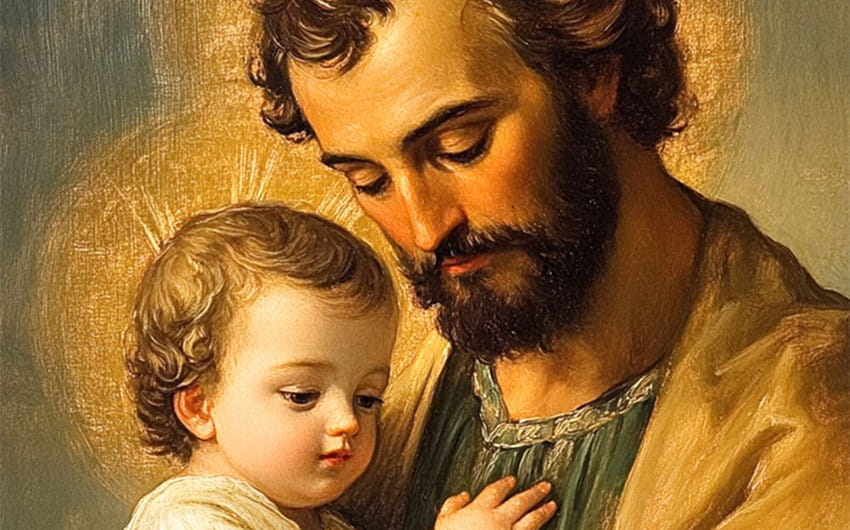
Joseph: Mary’s Husband, and What You Can Learn From His Life
If you searched joseph: mary’s husband, you’re probably trying to understand who Joseph was in the Bible, what role he played in Mary’s life, and why he remains such an important figure in Christian tradition. Joseph is often remembered quietly—standing just outside the spotlight of the Nativity story—yet his choices shape nearly every part of the early Jesus narrative. He’s the man who protected Mary’s reputation, provided a home, and acted with courage when doing the right thing was complicated, risky, and misunderstood.
Who Joseph Was in the Biblical Story
Joseph appears in the New Testament primarily in the Gospels of Matthew and Luke. He’s introduced as a man from the line of David and a resident of Nazareth, engaged to Mary. His job is traditionally described as a “carpenter,” though the original language suggests a skilled craftsman—someone who worked with wood, stone, or construction projects.
If you want the simplest description: Joseph was an ordinary man living an ordinary life until he was pulled into an extraordinary story.
And that’s exactly why he’s so relatable. He’s not described as wealthy, powerful, or famous. He’s presented as faithful, practical, and responsible—someone who responds to chaos by doing what needs to be done.
Joseph and Mary’s Relationship Before the Nativity
To understand joseph: mary’s husband, you have to understand how engagement worked in that time and culture.
In first-century Jewish society, “betrothal” was more binding than what many people today think of as an engagement. It was a formal commitment that could require a legal divorce to break. So when the Bible describes Joseph as “betrothed” to Mary, it’s not casual. They were committed, and their families and community would have treated it as serious.
That’s why the pregnancy news mattered so much. Joseph wasn’t just emotionally hurt—he was facing social and legal consequences, plus the pressure of community judgment.
The Crisis: Mary’s Pregnancy and Joseph’s First Response
The Gospels describe Joseph discovering that Mary was pregnant before they came together as husband and wife. In that cultural context, this could easily ruin Mary’s reputation and put her in physical danger depending on local judgment and interpretation of religious law.
Joseph’s initial plan, as described in Matthew, is to divorce Mary quietly. That detail is huge because it shows his character. Even before he understands the full story, he tries to choose a path that minimizes harm.
If you’ve ever been blindsided by something that made you feel embarrassed, angry, or betrayed, you can appreciate the restraint here. Joseph is hurt and confused, but he doesn’t lash out publicly. He chooses discretion.
The Dream and the Decision That Changed Everything
In the Gospel of Matthew, Joseph is visited in a dream by an angel who tells him not to be afraid to take Mary as his wife and explains that the child is conceived through the Holy Spirit. Joseph then chooses to marry Mary and accept the situation.
What this shows is that Joseph’s faith wasn’t just “belief.” It was action.
He didn’t get a neat public explanation. He didn’t receive a community announcement that cleared Mary’s name. He had to make a decision that would likely invite gossip and judgment—and he made it anyway.
That’s one of the reasons Joseph is honored in Christian tradition: he chose responsibility over reputation.
Why Joseph Matters Even Though He Speaks So Little
One of the most interesting things about Joseph is that the Bible records no direct quotes from him. He’s present, active, and decisive—but silent.
That silence doesn’t make him unimportant. It makes him steady.
If you’re used to stories where heroes win with speeches and dramatic moments, Joseph is the opposite. His heroism is practical:
- taking Mary as his wife
- traveling when necessary
- protecting his family
- providing shelter and stability
- responding to warnings and danger
He’s a reminder that strong people aren’t always loud.
Joseph in the Nativity Story: Bethlehem and the Birth of Jesus
Joseph is central to the travel to Bethlehem. The journey is difficult, and the timing is stressful, because Mary is near childbirth. The story emphasizes the lack of comfortable accommodations, leading to Jesus being born in humble circumstances.
Whether you interpret the Nativity story as literal history, sacred narrative, or both, Joseph’s role is clear: he is present in the struggle, not absent from it.
And if you’ve ever supported someone through a painful or intense experience, you know what matters most isn’t saying the perfect thing. It’s staying, helping, and making sure they’re not alone.
Joseph as a Protector: The Flight to Egypt
One of the most dramatic parts of the story is Joseph’s role in protecting his family from danger. In Matthew’s account, Joseph is warned in a dream that King Herod is seeking to harm the child. Joseph takes Mary and Jesus and flees to Egypt.
This is where Joseph moves from “quiet support” to “active guardian.” He doesn’t debate, delay, or wait for someone else to act. He moves his family to safety.
If you think about what that means practically, it’s enormous:
- leaving home suddenly
- traveling long distances
- entering a foreign land
- finding work and shelter
- protecting a child in vulnerable conditions
It’s the kind of responsibility that doesn’t feel glamorous—but it’s the foundation of survival.
Joseph’s Role as Jesus’ Earthly Father
Even though Christians believe Jesus is the Son of God, Joseph is still portrayed as Jesus’ earthly father—raising him, teaching him, and giving him a place in a family line and community.
The Gospels show Jesus being known publicly as “the carpenter’s son” and being associated with Joseph’s trade and household. That suggests Joseph did what many fathers do: he provided skills, stability, and identity.
You can also see Joseph’s parenting in the story where Jesus, as a boy, stays behind in the temple while Mary and Joseph travel home. When they find him, Mary expresses worry and confusion. The scene shows a real family dynamic: parents anxious, a child focused on spiritual matters, and a moment that blends the ordinary with the extraordinary.
If you’ve ever cared for a child who surprised you, challenged you, or made choices you didn’t fully understand, you can relate to that tension.
What Happened to Joseph Later?
A common question people have when they study joseph: mary’s husband is: why does Joseph seem to disappear later?
Joseph is present in Jesus’ early life narratives, but he does not appear prominently during Jesus’ adult ministry, and he is not mentioned at the crucifixion scenes the way Mary is. Many Christians infer that Joseph likely died before Jesus’ public ministry began, though the Bible doesn’t give a direct account of his death.
This is one of the reasons Joseph is sometimes seen as a symbol of “faithful presence for a season.” His role was crucial in the early years—then the story shifts.
Why Joseph Is Honored in Christian Tradition
Joseph is often honored as a model of:
- obedience to God
- humility
- courage without aggression
- protection and provision
- integrity in the face of social pressure
In many Christian communities, he is also seen as a patron figure for workers, fathers, and families. His story is often used to highlight that holiness can look like ordinary responsibility—showing up, working, and protecting the people entrusted to you.
What You Can Learn From Joseph’s Example
Even if you’re reading this from a historical, cultural, or purely human perspective, Joseph’s story offers practical lessons you can apply:
You can choose compassion even when you feel hurt
Joseph planned to protect Mary’s dignity before he fully understood the situation.
Courage isn’t always loud
His bravery shows up in decisions, not speeches.
Doing the right thing can cost you your reputation
Joseph likely faced gossip and judgment, but he prioritized responsibility over public approval.
Leadership can be protective, not controlling
His role is not about dominating Mary’s story—it’s about supporting and safeguarding his family.
Faith can be practical
Joseph’s faith isn’t abstract. It’s shown in travel, work, and decisive action.
The Bottom Line
So, if you came here for clarity on joseph: mary’s husband, here’s what you should take away: Joseph is the husband of Mary in the New Testament narrative, a man portrayed as righteous, compassionate, and courageous. He accepted Mary despite social risk, protected his family through hardship and danger, and served as Jesus’ earthly father during his early years. His story reminds you that the most powerful kind of love often looks like steady responsibility—choosing what’s right, even when it’s hard, and showing up when it matters most.
Featured image source: Pinterest