Venus Goddess Husband: Why Vulcan Is the Traditional Answer in Roman Mythology
Anyone searching for Venus goddess husband is usually looking for one direct answer. In traditional Roman mythology, Venus is generally described as the wife of Vulcan, the god of fire and the forge. At the same time, many people get confused because Venus is also famously linked to Mars as her lover. That mix of marriage and mythological romance is exactly why this topic keeps coming up.
Who Is Venus in Roman Mythology?
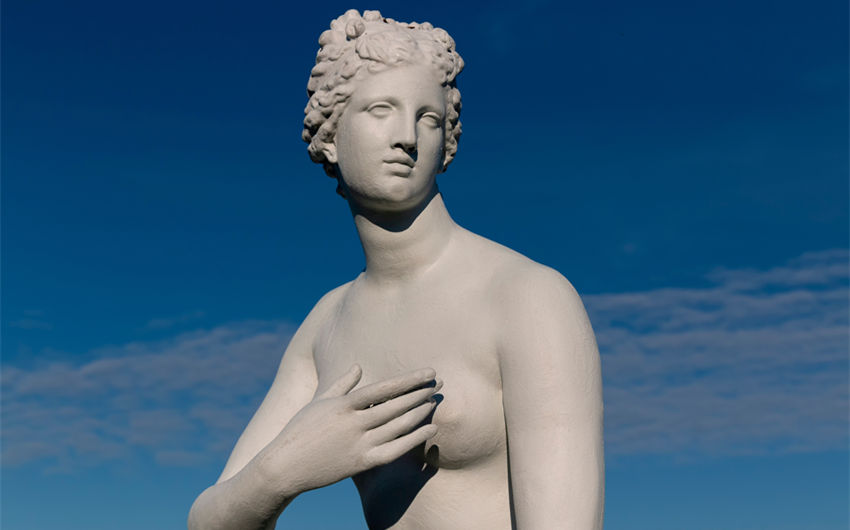
Venus is the Roman goddess most closely associated with love, beauty, desire, and fertility. Over time, the Romans closely identified her with the Greek goddess Aphrodite, which is why many stories about Venus overlap with older Greek myths. In Roman tradition, however, Venus also developed a distinct importance of her own and became one of the most recognized female deities in the classical world.
She was not only a goddess of attraction and beauty. In Roman culture, Venus also became tied to ideas of femininity, generative power, and even the prestige of Rome itself through later political and literary traditions. That broader importance helps explain why even a simple question about her husband leads into a much larger mythological story.
Who Was Venus’s Husband?
The standard mythological answer is that Venus’s husband was Vulcan. Vulcan was the Roman god of fire, metalworking, and the forge, and he corresponds to the Greek god Hephaestus. In classical summaries of the myth, Venus is named as Vulcan’s wife even though their marriage is often portrayed as troubled and unhappy.
This is the clearest answer for readers who want the official or traditional spouse. If the question is simply “Who was the husband of Venus?” then Vulcan is the name most mythology references give first.
Why Do People Confuse Vulcan With Mars?
The confusion happens because Venus is one of mythology’s best-known examples of a goddess whose husband and lover were not the same person. Although she was married to Vulcan, she was famously involved with Mars, the Roman god of war. That relationship became one of the most repeated and memorable parts of her mythology, so many people assume Mars must have been her husband.
In popular retellings, the romance between Venus and Mars is often more dramatic and more memorable than her marriage to Vulcan. As a result, Mars tends to dominate public memory, while Vulcan remains the technically correct answer to the husband question. That is why the topic still causes confusion today.
Who Was Vulcan?
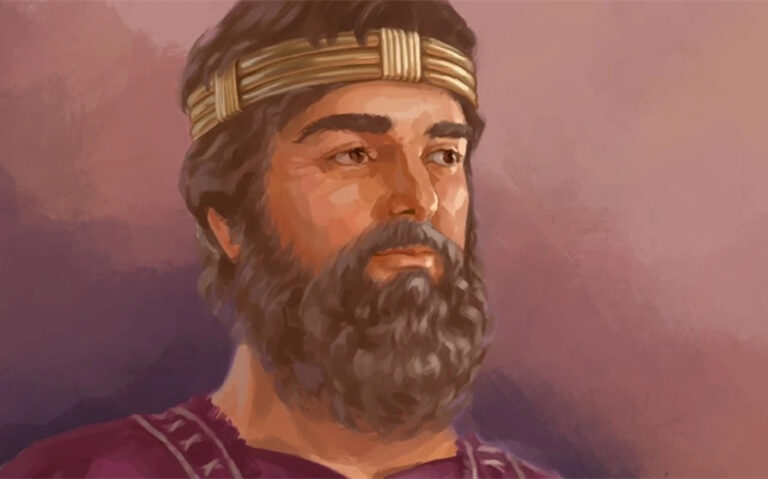
Vulcan was the Roman god of fire, especially fire in its destructive and elemental forms, and he was also associated with metalworking, craftsmanship, and the forge. In poetic and mythological tradition, he shares many traits with the Greek Hephaestus. He is often imagined as a divine smith whose skill made him important even when other gods overshadowed him in beauty or charm.
This contrast is part of what gives the Venus-Vulcan marriage its lasting interest. Venus represents beauty, desire, and allure, while Vulcan represents labor, fire, and craftsmanship. Mythology often builds tension through those contrasts, and their marriage reflects exactly that kind of symbolic pairing.
The Marriage of Venus and Vulcan
In myth, Venus and Vulcan are not usually presented as an ideal divine couple. Their marriage is more often remembered because of Venus’s infidelity than because of mutual harmony. The most famous stories focus on the fact that Venus took Mars as a lover, creating one of the best-known love triangles in classical mythology.
That unhappy marriage is one reason the question about Venus’s husband remains interesting. Readers are not just looking for a name. They are often trying to understand the larger mythic relationship and why the husband, Vulcan, is less famous in popular memory than the lover, Mars.
Venus, Mars, and Mythological Popularity
In literature and art, Venus and Mars often became a more vivid pair than Venus and Vulcan. The contrast between love and war gave artists, poets, and storytellers a dramatic theme that was easy to remember and easy to symbolize. That made the Venus-Mars connection especially powerful in later culture, even though it did not change the traditional marriage assignment.
This helps explain modern search behavior. People remember the romance with Mars, then later ask who Venus’s husband actually was. The answer stays the same: Mars was the famous lover, but Vulcan was the husband.
Venus and Aphrodite: Why Greek Myth Also Matters
Another reason this question can get messy is that Venus is closely identified with Aphrodite, her Greek counterpart. In Greek mythology, Aphrodite is married to Hephaestus, who is the Greek equivalent of Vulcan. That means the Roman and Greek versions of the answer are essentially parallel: Venus is married to Vulcan, and Aphrodite is married to Hephaestus.
Because modern readers often encounter Greek and Roman myths mixed together, names can blur. Someone may remember Aphrodite and Hephaestus from one source, Venus and Mars from another, and then end up unsure which name belongs in the husband role. Once the Roman and Greek counterparts are lined up, the picture becomes clearer.