What Is Jack Nicholson’s Net Worth? Estimated Fortune and Where His Money Came From
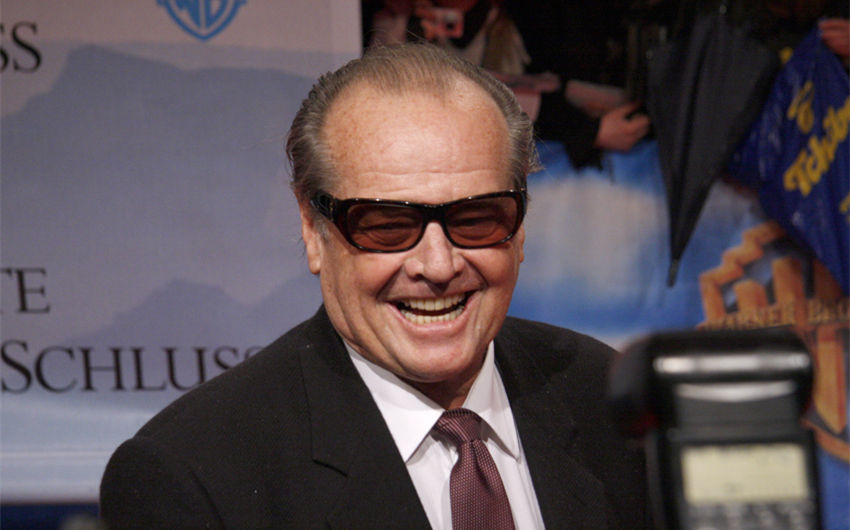
If you’re asking what Jack Nicholson’s net worth is, the most widely reported estimate puts it at about $400 million. That number isn’t an audited personal statement, but it’s a consistent public benchmark—and it’s easy to understand once you look at how Nicholson earned: decades of top-tier acting pay, one of Hollywood’s most legendary backend deals, plus major assets like real estate and art.
Who Is Jack Nicholson?
Jack Nicholson is an American actor, filmmaker, and cultural icon whose career spans more than half a century. He’s known for a rare mix of charisma and menace, and for roles that became permanent parts of pop culture—think One Flew Over the Cuckoo’s Nest, The Shining, Chinatown, A Few Good Men, and As Good as It Gets. He also became famous in the industry for being more than just talent. Nicholson was a dealmaker.
That dealmaker reputation is crucial to his wealth story. Plenty of actors had long careers. Nicholson is one of the few who consistently turned his star power into contracts that paid far beyond the upfront check.
Estimated Net Worth
Estimated net worth: approximately $400 million.
This is the most consistent “anchor” figure you’ll see across major net worth coverage. Some newer articles float higher numbers, but $400 million is the most commonly repeated estimate and the one most frequently used as the baseline in entertainment finance roundups.
It’s also important to understand what that estimate usually includes. Nicholson’s net worth isn’t framed as “money from acting only.” It’s typically described as a mix of career earnings plus asset value—especially his real estate holdings and art collection, both of which can be enormous on their own.
Net Worth Breakdown: Where Jack Nicholson’s Money Comes From
1) Film salaries from decades of top billing
Nicholson’s first wealth engine was straightforward: he was paid like a star for a very long time. Being a bankable leading man across multiple eras—the New Hollywood 1970s, the prestige-heavy 1980s and 1990s, and the blockbuster-driven 2000s—creates huge cumulative earnings. Even if you never list every salary number, the career pattern tells you what you need to know: Nicholson wasn’t working occasionally. He was working at the top of the market.
That matters because high salaries stack. A single big payday helps. A long run of big paydays becomes generational wealth.
2) Backend profit participation (the deal that changed everything)
When people talk about Nicholson’s wealth, they almost always bring up one idea: backend deals. Backend participation means you earn a percentage tied to a film’s success rather than taking only a fixed fee. It’s the difference between being paid for your time and being paid like an owner.
Nicholson’s most famous backend deal is tied to his role as the Joker in Tim Burton’s Batman (1989). The story is widely discussed because it wasn’t just a “nice bonus” arrangement. It’s often described as a landmark contract that included slices of box office and merchandising-related revenue streams, which helped turn one role into a long-term payout.
The practical takeaway is bigger than any single dollar figure: Nicholson understood leverage. He was willing to trade some upfront money for a larger share of upside, and when the movie exploded, so did the payout.
3) Real estate holdings (wealth that keeps appreciating)
Most celebrity fortunes aren’t stored as cash, and Nicholson is a classic example. Real estate is repeatedly cited as a major part of his wealth. Why? Because property is a long-term asset that can quietly multiply wealth over decades, especially when acquired during peak earning years.
Many net worth profiles describe Nicholson as having a substantial real estate portfolio—often cited in the nine-figure range in aggregate. Even if you treat the exact number as an estimate, it explains why his net worth remains massive even though he has largely stepped back from acting. Assets keep working even when you stop taking roles.
4) Art collection (a private asset category that can be huge)
Another pillar commonly tied to Nicholson’s net worth is art. High-end art collections can be worth staggering sums, and they often don’t show up in casual “celebrity money” conversations because the public can’t easily verify what someone owns or what each piece is worth today.
Still, major net worth coverage frequently references a large Nicholson art collection as a meaningful part of his overall fortune. This is also a big reason estimates can vary: if one source values the art conservatively, the net worth stays closer to $400 million; if another assumes higher current valuations, the number climbs.
5) Residuals and long-tail earnings (helpful, but not the main engine)
Because Nicholson’s film catalog is legendary, people often assume he must be collecting massive checks from every movie forever. In reality, residual structures vary, especially across older eras of Hollywood contracting. He likely receives ongoing payments from certain uses and licensing, but the bigger financial story isn’t residuals.
The bigger story is: he negotiated ownership-style upside on select projects and converted peak income into assets like real estate and art. That’s how a fortune becomes durable.
6) Why some sources claim higher numbers than $400 million
You’ll occasionally see articles pushing Nicholson’s net worth well above $400 million. Most of the time, that comes down to aggressive valuation assumptions on private assets. Real estate values can surge. Art valuations can swing. And because Nicholson’s exact holdings aren’t public like a company’s quarterly filing, writers fill in gaps differently.
That’s why the $400 million estimate remains the safest “mainstream” benchmark: it’s repeated consistently and aligns with the core facts that are commonly cited—major career earnings plus huge private asset value.